Emergency water removal
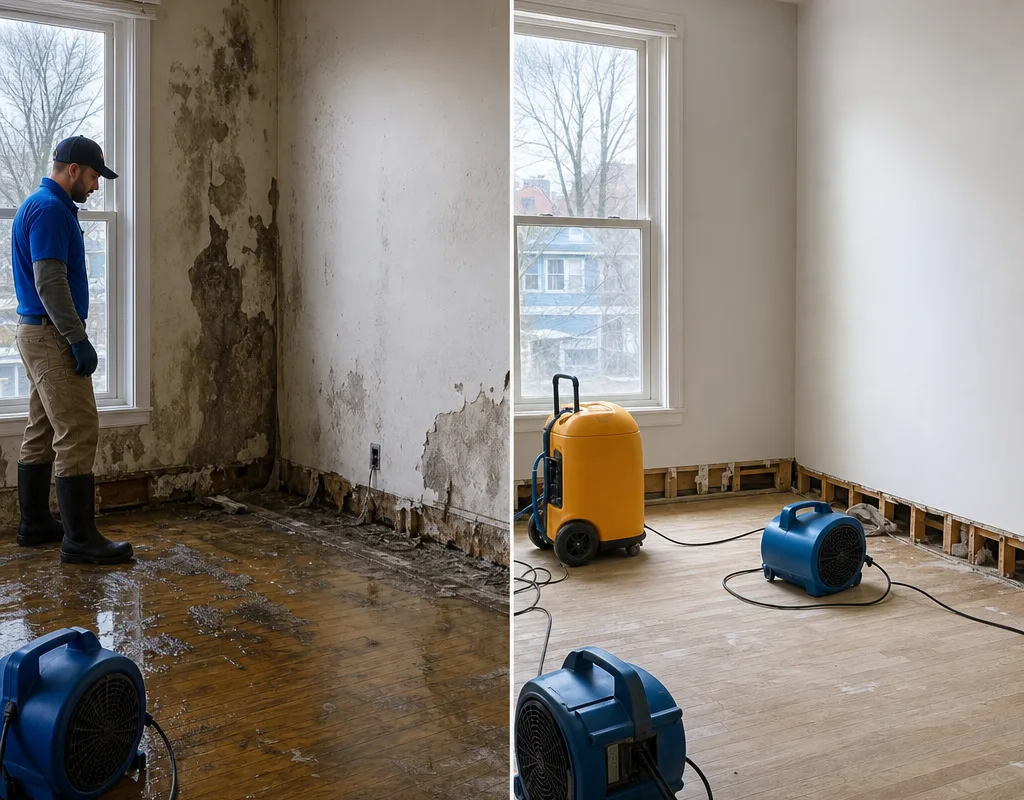
Extraction of standing water, disposal of saturated materials when needed, and immediate steps to keep damage from spreading to adjacent rooms.
Serving Ann Arbor, Michigan & surrounding areas
When water gets into floors, walls, or insulation, minutes matter. Get a fast response, careful drying, and a documented plan to bring your home or business back to normal.
✓ Skip the 3-hour Google rabbit hole — we’ve already done the vetting
✓ One conversation, not ten voicemails and seven web forms
✓ 24/7 emergency response — talk to a real person who actually knows Ann Arbor
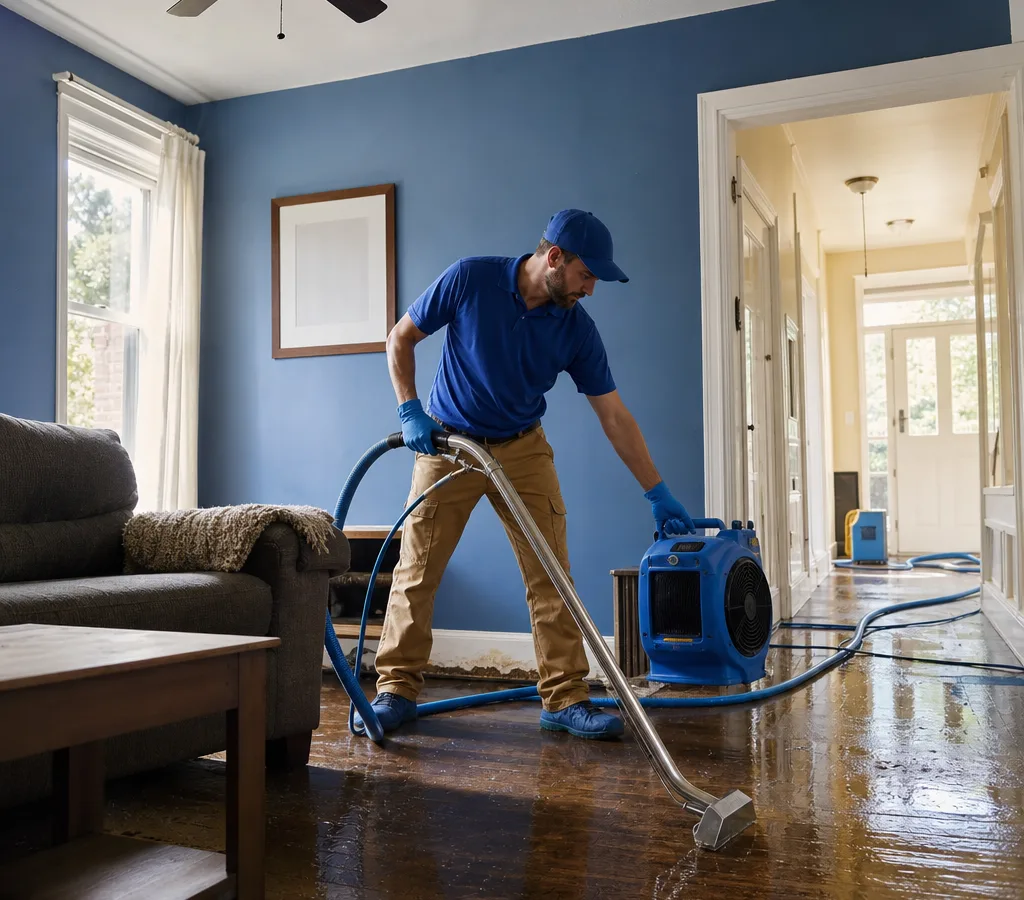
If you searched for water restoration Ann Arbor, you probably have an active leak, a flooded area, or wet building materials that will keep worsening if they are not dried correctly. Water moves through drywall, baseboards, subfloors, and insulation quickly. That is why the first goal is containment: stop the source when possible, protect unaffected rooms, and remove standing water.
Water Damage Ann Arbor handles residential and commercial water restoration in Ann Arbor with the same priorities on every job: control moisture, prevent secondary damage, and document what was found and what was done. Drying is not just running fans. It is a measured process that depends on material type, how long the water has been present, and whether the water is clean, gray, or contaminated.
Ann Arbor has a mix of older homes and newer construction, and basements are common across the area. Water in a basement can hide under finished walls and flooring, so our approach includes targeted inspection of likely pathways and a drying setup that reaches cavities, not just the open air.
Extraction of standing water, disposal of saturated materials when needed, and immediate steps to keep damage from spreading to adjacent rooms.
Air movers, dehumidifiers, and controlled airflow are placed to dry framing, subfloors, and wall cavities based on readings, not guesswork.
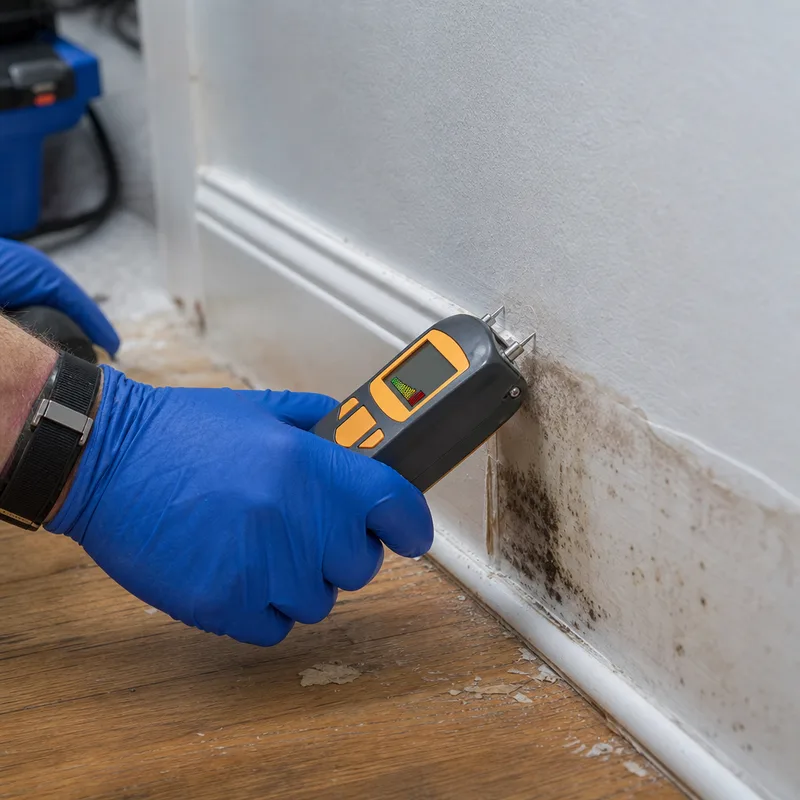
Baseline measurements, ongoing checks, and clear documentation show drying progress and help confirm when materials return to an acceptable range.
For gray water events or extended wet time, cleaning and treatment options are discussed up front so you can choose the right level of remediation.
You receive a dry, stabilized structure with notes on what was removed, what is ready for repairs, and what should be rebuilt to match the original finish.
Water restoration work in Ann Arbor often starts with one of a few common situations: supply line leaks, overflowed fixtures, sump pump issues during heavy rain, or water intrusion around foundation walls. The cause changes the risk level and the plan.
Clean water from a broken supply line usually allows for faster drying and less demolition if it is addressed early. Flood water or sewage backups can require controlled removal of affected porous materials, careful containment, and higher levels of cleaning. In finished basements, water can migrate behind baseboards and under floating floors, so we look for trapped moisture that will not dry through the surface.
You will get a straightforward scope, what we recommend and why, and what can wait versus what cannot. If you are getting to know our company first, Water Damage Ann Arbor has the basics on how we operate and what to expect when you reach out.
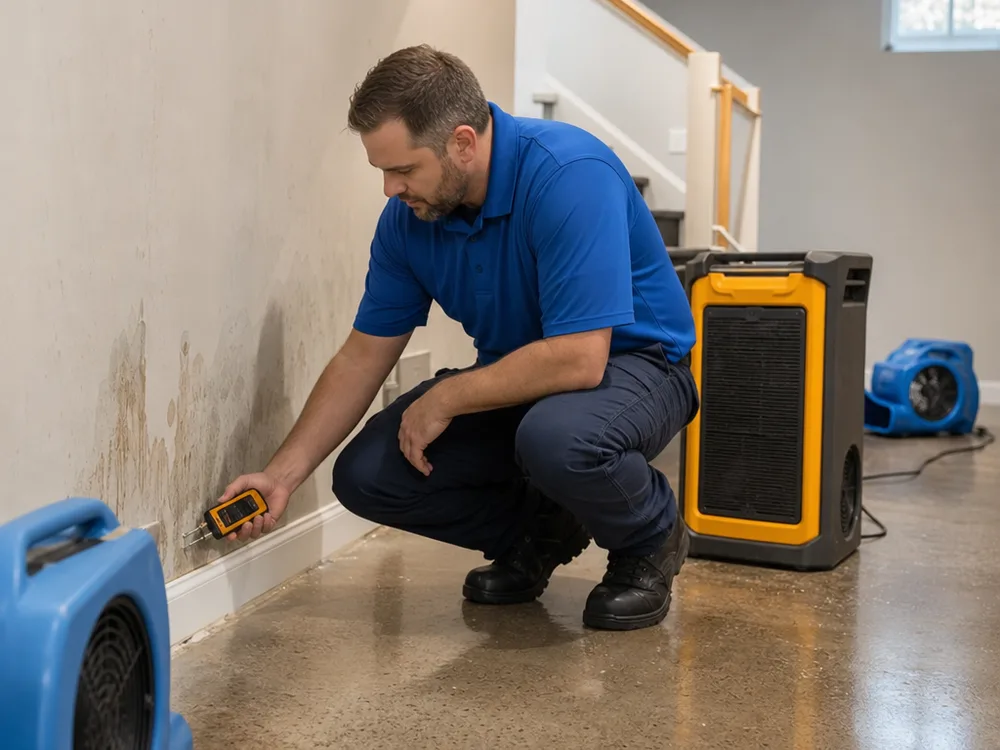
A measured response moves the property from immediate safety and extraction to verified drying and clear repair steps.
We start with the source and immediate hazards. If electricity, gas appliances, or contaminated water are involved, we prioritize safety and containment before anything else.
We identify what is wet, how far the moisture traveled, and what materials are affected. This is where hidden wet areas are found, especially in basements and behind finishes.
Standing water is removed first. When materials cannot be dried effectively or are contaminated, we remove only what is necessary to expose wet assemblies for drying.
We set air movement and dehumidification based on the structure, not a one-size layout. We re-check moisture levels to confirm the drying curve is moving in the right direction.
When readings support it, we remove equipment and provide notes on what is dry, what was removed, and what the next repair steps typically involve.
Water restoration in Ann Arbor typically ranges from about $1,000 to $6,000 for a small to mid-sized loss, while larger events with multiple rooms, contaminated water, or significant material removal can run $7,500 to $20,000+.
Your final price depends on how long the materials stayed wet, the category of water, how many building layers are affected, access to wet areas, and how many days of drying and monitoring are required. Exact costs are confirmed after an on-site inspection and moisture mapping.
“We had water under our basement flooring and it kept spreading. The team explained what was wet, pulled up only what they had to, and tracked moisture until it was dry. The documentation made the next repair steps much easier.”
“A supply line leak soaked part of our first floor. They arrived quickly, extracted the water, and set drying equipment where it actually mattered. The space was stable and ready for repairs sooner than we expected.”
Start water restoration immediately, ideally the same day, because wet drywall, wood, and insulation can begin to swell, warp, and support microbial growth quickly. In Ann Arbor, basements and wall cavities can hold moisture without obvious surface signs, so early moisture mapping and extraction make a big difference in how much needs to be removed.
Sometimes, yes, but it depends on where the water traveled and how long materials were wet. Finished basements often trap moisture behind baseboards and under flooring; if readings show the cavity is wet, selective opening or removal may be the safest way to dry the assembly rather than hoping it dries through finished surfaces.
Clean water comes from a sanitary source like a supply line, while contaminated water includes groundwater intrusion, sewage, or water that has passed through unsanitary areas. Contaminated water typically requires higher levels of cleaning, controlled removal of porous materials, and stricter containment practices.
Yes, we can provide photos, moisture documentation, and a clear scope of what was affected and what was done so you have the details insurers usually ask for. Coverage depends on your policy and the cause of loss, but good documentation and a measured drying plan help the claim process move more smoothly.
Many drying setups run about 3 to 5 days, but the timeline depends on material type, the extent of saturation, and whether moisture is trapped in cavities or under flooring. We monitor progress and adjust equipment placement based on readings because drying time is driven by conditions inside the materials.
If it is safe, stop the source of water, move valuables and electronics out of wet areas, and avoid using rooms where ceilings are sagging or water is near electrical outlets. Blot or extract small amounts of surface water only when safe, and avoid running HVAC if you suspect contaminated water or the system is in a wet area.
Tell us what happened and what areas are wet. We will respond quickly, confirm the scope with moisture readings, and lay out the safest path to a dry, repair-ready space.