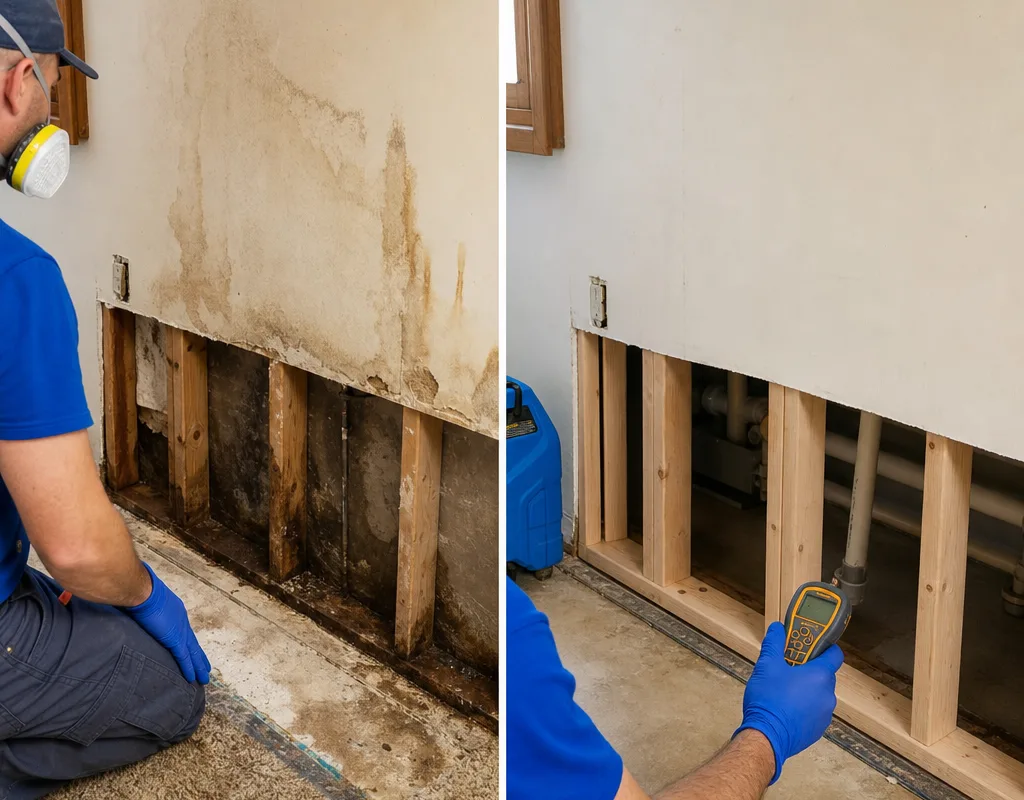
On-site moisture inspection and mapping
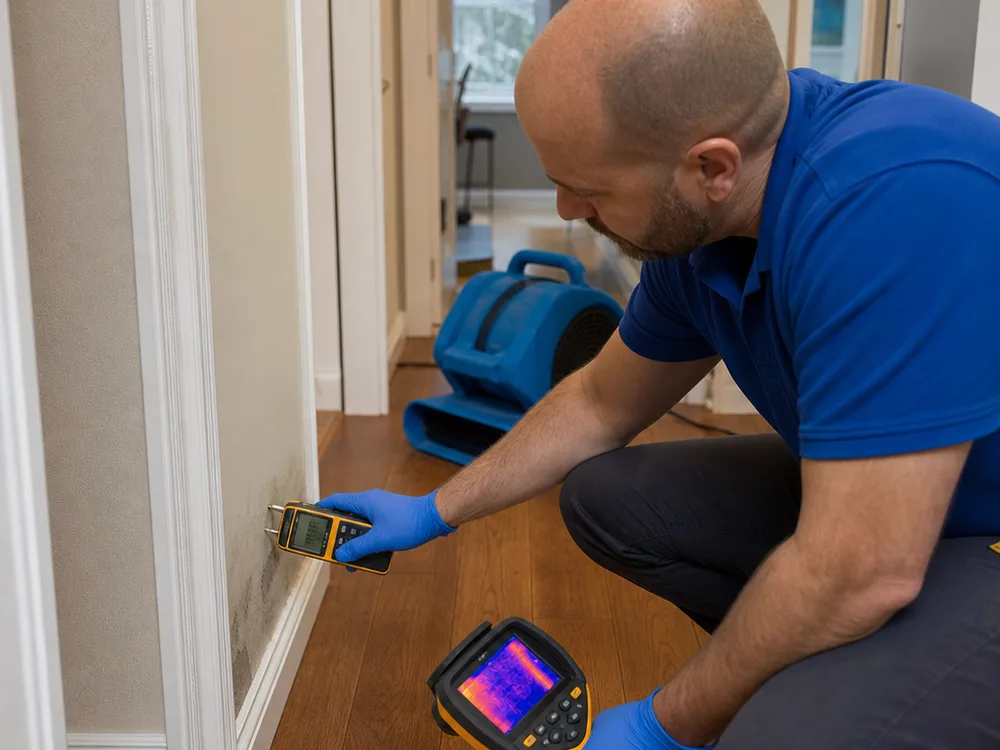
We use moisture meters and thermal imaging where appropriate to find wet areas behind baseboards, under flooring, and inside wall cavities, then set drying equipment to match the readings.
Serving Ann Arbor, Michigan & surrounding areas
When water gets into walls, floors, or cabinets, time matters. Our local team responds quickly, documents what we find, and completes cleanup, drying, and restoration with clear next steps for your property.
✓ Skip the 3-hour Google rabbit hole — we’ve already done the vetting
✓ One conversation, not ten voicemails and seven web forms
✓ 24/7 emergency response — talk to a real person who actually knows Ann Arbor
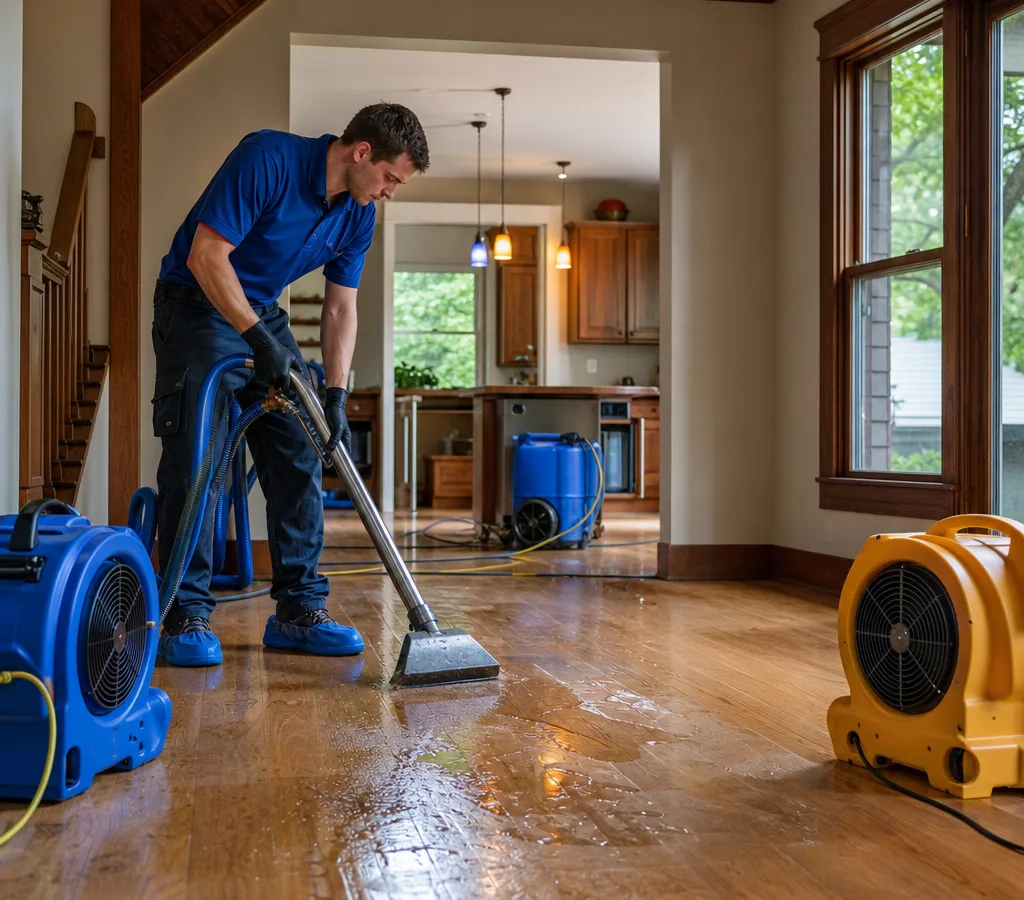
If you searched for water damage restoration Ann Arbor MI, you are likely dealing with an active leak, a soaked room, or hidden moisture that is starting to smell. Water spreads under flooring, wicks up drywall, and can reach insulation and framing faster than most people expect.
Water Damage Ann Arbor handles the full response: water extraction, controlled drying, dehumidification, removal of damaged materials when needed, cleaning and odor control, and rebuild coordination so the space can be safely used again. We focus on stopping the spread of damage first, then making a plan you can trust.
Ann Arbor properties vary a lot, from older homes near Kerrytown and the Old West Side to newer builds around Pittsfield Township. Older plaster walls, layered flooring, and finished basements can hide moisture longer, which is why we use moisture mapping and targeted drying instead of guessing. You get a written scope, photo documentation, and a realistic timeline based on what we actually measure.
We use moisture meters and thermal imaging where appropriate to find wet areas behind baseboards, under flooring, and inside wall cavities, then set drying equipment to match the readings.
Standing water and saturated materials are removed first to reduce drying time and limit swelling, delamination, and staining on surrounding finishes.
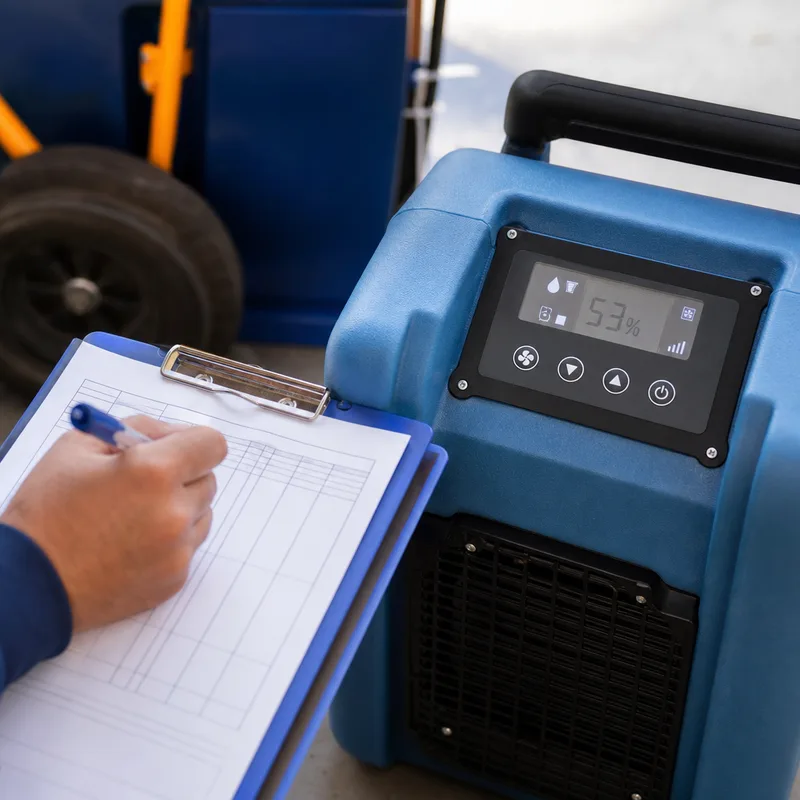
Air movers and dehumidifiers are placed for controlled airflow and humidity reduction, with regular monitoring so the structure dries evenly instead of just the surface.
When the water source calls for it, we clean and treat affected surfaces, address odors at the material level, and recommend replacement where sanitizing is not appropriate.
We provide photos, moisture logs, and a clear scope of work so you can communicate the situation consistently with a carrier or adjuster.
Containment, floor protection, and tidy equipment staging help keep unaffected areas usable while we restore the damaged zones.
A lot of water damage in Ann Arbor is not dramatic flooding. It is slow leaks under a sink, a supply line failure behind a washer, ice maker line leaks, or a small overflow that runs into a basement ceiling. The visible mess may be limited to one room, but water can travel along framing and under floating floors.
We treat every job like an investigation:
This approach is especially important in finished basements and lower levels. Moisture in carpet pad, subfloor seams, and wall plates can lead to odors and microbial growth if it is sealed back up too soon. The goal of water damage restoration Ann Arbor work is to dry to appropriate targets and rebuild only after the structure is ready.
If you want to get a sense of how we work as a local company, Water Damage Ann Arbor outlines what to expect when you reach out and what information helps us respond faster.
A measured sequence moves the property from immediate stabilization to verified drying and a clear repair plan.
We look for electrical hazards, ceiling sag, wet insulation, and slip risks, then determine access points and what areas need to be protected.
We confirm the leak or intrusion path is addressed and classify the water condition so cleaning and disposal meet the situation.
We remove standing water and identify materials that cannot be dried safely or effectively, such as certain porous items affected by contaminated water.
Air movers and dehumidifiers are installed based on room volume, material types, and readings. We monitor and adjust placement as moisture levels drop.
We clean affected surfaces, address odors, and verify moisture targets before repairs move forward.
You receive a clear scope for what gets rebuilt, what gets replaced, and what can be saved, so you can make decisions with confidence.
Water damage restoration in Ann Arbor typically ranges from about $1,200 to $6,500+, depending on how much of the structure is wet and how long the water sat. A small, clean-water incident in one room is often near the lower end, while a finished basement loss, a multi-room event, or contaminated water can push costs higher because demolition, cleaning, and drying time increase.
Final pricing depends on square footage affected, water category, material types such as drywall, plaster, hardwood, and carpet, access to cavities, and whether cabinets or insulation need removal. The exact cost is confirmed after an on-site inspection and moisture readings.
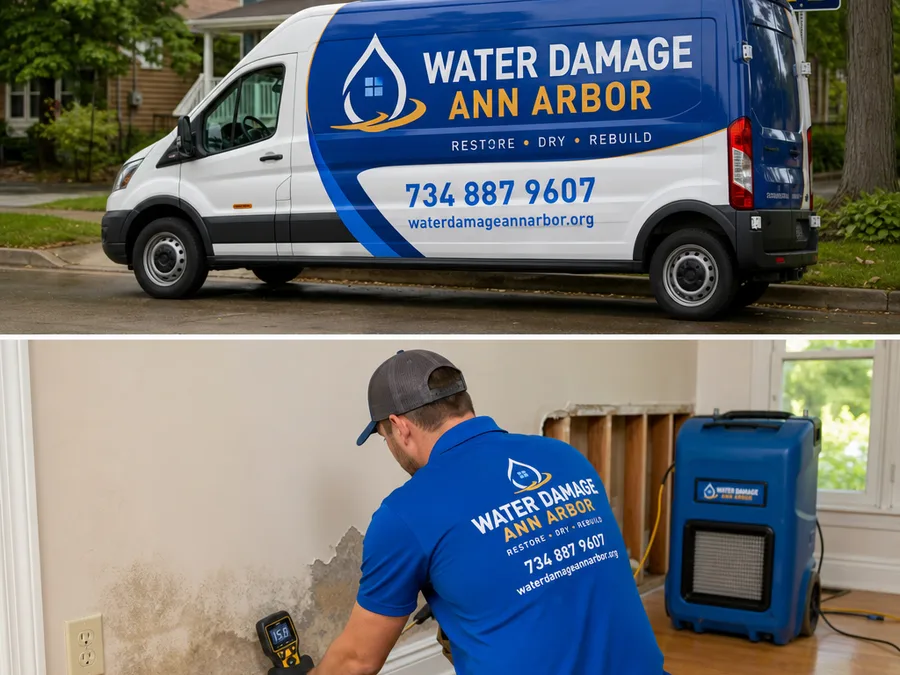
You should start as soon as the water source is stopped because moisture spreads into drywall, subfloors, and insulation quickly. Early extraction and drying usually reduces the amount of material that needs to be removed and lowers the chance of odors and microbial growth.
Ann Arbor water damage restoration typically includes inspection and moisture mapping, water extraction, controlled drying with air movers and dehumidifiers, removal of unsalvageable materials when needed, cleaning and sanitation based on the water condition, and documentation of readings and work performed.
Sometimes, yes, but it depends on how much water got under the boards, how long it sat, and how the floor was installed. We check moisture in the flooring and subfloor and will explain whether drying in place is realistic or if sections should be removed to prevent long-term cupping or separation.
Often you can stay if the affected area is isolated and utilities remain safe, but certain situations can require temporary relocation, such as contaminated water, extensive demolition, or when drying equipment needs to run in multiple living areas. We will outline what areas are safe to use and what needs to be kept clear.
Yes. We provide a clear scope, photos, and moisture documentation that many carriers rely on to understand what was wet, what was removed, and how drying progressed. Coverage decisions are up to your policy and carrier, but consistent documentation helps the process.
Drying commonly takes several days, and repairs can add additional time depending on what materials were affected. We base timelines on moisture readings and material conditions rather than the calendar, and we will keep you updated as targets are met.
Stop the water source if it is safe, shut off electricity to wet areas if there is any risk, and move small valuables and electronics out of the affected zone. Avoid running HVAC if returns are pulling in damp air, and avoid disturbing wet drywall or insulation that could release debris.
If your home has wet floors, stained ceilings, or a musty smell after a leak, we can inspect, map moisture, and explain what needs to happen next. Reach out for a prompt assessment and a written scope you can use to make decisions.